
Yarns That Go the Distance on the Daily Commute

Join us as we explore hardwearing, low-pill, machine-washable yarns for commuter garments, proving that softness and endurance can ride the same train. From crowded platforms to coffee spills, these fibers shrug off friction, laundering, and long days. Expect practical testing, maker stories, and science-backed choices you can trust. Share your experiences, ask questions, and subscribe so your next sweater, hat, or scarf becomes a reliable companion, not a delicate passenger.

What Makes a Fiber Tough

Durability begins with fiber chemistry, staple length, and construction. Long-staple wool, tightly twisted plies, and smart blends with nylon or acrylic resist fuzzing and fatigue while preserving comfort. We translate lab cues like Martindale abrasion and pilling grades into real transit life, helping you choose yarns that dodge pilling under backpack straps yet still feel kind to skin. Expect clarity without jargon, plus clear examples you can actually buy locally.

Machine Care Without Fear

Daily wear only works when care is simple. Choosing yarns engineered for machine cycles frees you from sink-side rituals. We break down temperatures, spin speeds, mesh bags, and detergents that protect stitches while actually removing grime. Learn to avoid softener that collapses loft, and discover drying methods that restore resilience. With realistic routines and repeatable steps, your knits can handle office weeks and weekend errands without babysitting.

Cycles, detergents, and settings that matter

Cold or warm gentle cycles usually balance soil removal and fabric safety, but yarn construction decides tolerance. Use low-enzymatic, dye-safe detergents to protect fibers and color. Keep spin moderate to prevent stretching wet garments. A mesh bag reduces snagging in mixed loads. We share a two-month log comparing delicate, synthetics, and wool cycles, with surprising winners for sweaters knit in robust, treated merino-nylon blends.

Drying for shape, loft, and recovery

Air-dry flat on a towel to preserve dimensions, then give garments a quick tumble with no heat if labels allow, reviving loft and soft hand. Blocking after wash reestablishes edges and hems. We demonstrate shoulder-shaping with towel rolls, preventing hanger dents. One scarf regained spring after countless commutes when dried flat overnight, then fluffed for ten minutes, emerging lighter, smoother, and less prone to crease marks inside backpacks.

Colorfastness and shrink control at home

Pre-wash swatches with a light-colored cloth to spot bleeding before committing. Superwash treatments typically curb shrinkage, yet agitation and heat still matter. We map safe temperature ranges, then show how vinegar myths mislead compared to modern detergents. A quick before-and-after of a navy cardigan proves color stayed true after fifteen cycles, while measurements barely shifted, confirming that correctly finished yarns make laundering predictable instead of stressful guesswork.

Comfort on Crowded Mornings

Tough does not need to scratch. The best commuter yarns balance resilience with soft touch, breathability, and temperature control. Morning chill, subway heat, and office HVAC demand fabrics that adjust without sagging. We compare merino, bamboo viscose, and nylon blends for moisture handling, speed of dry, and stretch recovery. You will feel fresher between stops, with less cling under coats and fewer bag imprint marks across shoulders.

Breathable warmth that layers confidently

Merino’s crimp traps air for insulation while wicking humidity, keeping your microclimate stable when sprinting between platforms. Blending with nylon or acrylic bolsters durability without smothering airflow. We recount a brisk February week wearing a midweight hoodie under a shell, staying warm outside yet comfortable inside trains, proving that balanced fibers can layer gracefully without overheating or turning clammy once the doors slide shut.

Stretch, memory, and strap resilience

Elastane threads, stretch nylon, and high-twist plies enhance recovery so elbows and shoulders don’t bag out by midweek. Ribbing at strategic panels can absorb tension from messenger straps. We analyze stitch elasticity and how wet-finishing resets memory. After installing a tighter rib cuff and switching to a springier yarn, a cyclist’s sleeve stopped creeping over knuckles, even after repeated rides, rain exposure, and daily laptop hauling.

Build It to Last
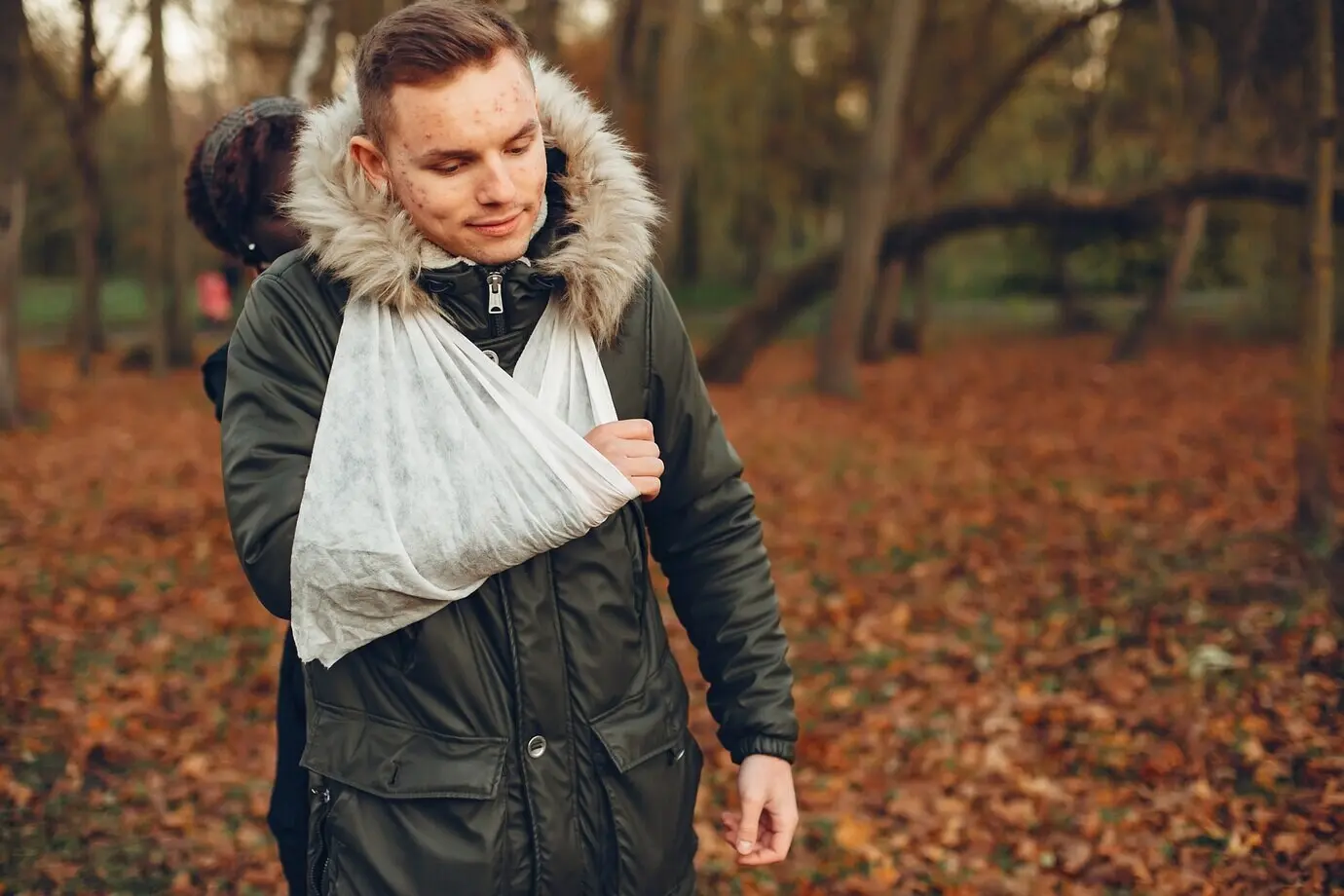
Construction choices multiply a yarn’s strengths. Gauge, stitches, and reinforcement zones dictate how garments age under repetitive urban stress. We translate shop talk into checklists you can use before casting on. Expect elbow insurance ideas, strap buffers at shoulders, and seam strategies that contain friction. Small design tweaks add months of tidy wear, helping favorite pieces outlast schedules, transfers, and the occasional sprint for a departing train.

Style That Survives Spills and Schedules
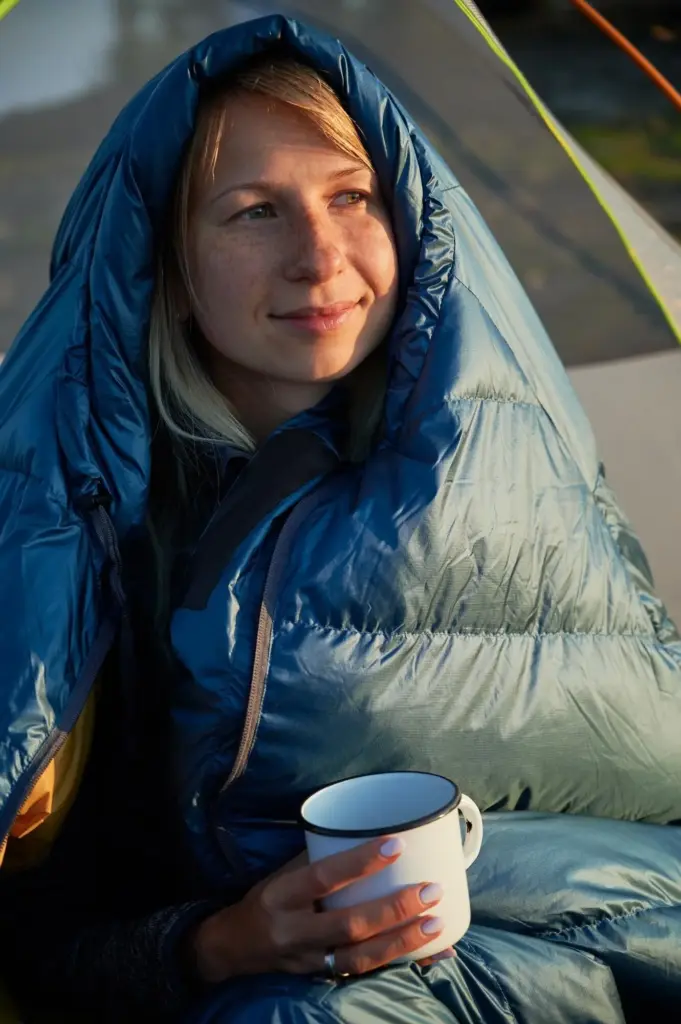
Practicality and polish can coexist. Dark heathers mask lint and city dust, while marls camouflage minor pills between shaves. Reflective or high-contrast edges improve safety after sunset. Choose shapes that move easily through turnstiles and sling over seats without constant tugging. We share styling tips that acknowledge elevators, bike lanes, and coffee cups, so your favorite knit looks considered at 7 a.m. and still sharp at 7 p.m.

Proof in the Real World

Bus-seat abrasion and bag-rub trials

Swatches worn over foam straps and pressed against textured bus upholstery revealed which blends shed fuzz quickest. High-twist merino-nylon and cabled acrylic-wool held cleanest surfaces. We document hours-to-pill thresholds and recovery after de-pilling. A shoulder panel prototype, tested during a festival weekend, returned surprisingly crisp Monday morning, suggesting a blend’s structure beat fiber marketing in predicting performance under relentless, real-life friction.

Home laundering stress tests

We ran identical scarves through thirty wash cycles varying temperature, spin, and detergent. Only the superwash-treated, tightly plied samples maintained length, hand, and edge crispness. Notes include weigh-ins, shrink change, and softness scores over time. Readers can replicate with kitchen scales and notebooks, then upload findings, building a crowdsourced reference that makes purchasing calmer, especially when outfitting a wardrobe expected to thrive on autopilot care.

Pilling control and maintenance cadence

Strategic de-pilling every ten wears keeps fabrics refined without thinning. We compare sweater stones, electric shavers, and adhesive options, then align schedules with laundry routines. A cardigan maintained showroom polish across a grueling quarter simply by five-minute sessions on elbows and sides. The secret proved consistency, not aggression, preserving surface integrity while letting durable yarns shine through constant, confident daily use.
Sentovexonilovaro
Privacy Overview

This website uses cookies so that we can provide you with the best user experience possible. Cookie information is stored in your browser and performs functions such as recognising you when you return to our website and helping our team to understand which sections of the website you find most interesting and useful.